
Spring Home Improvement Planning: Sarasota Project Timing and Budgeting
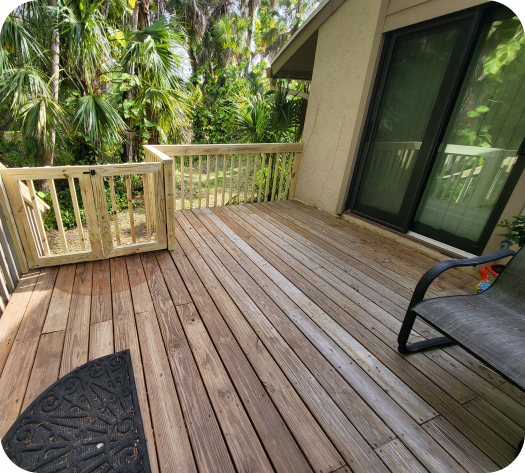
Professional deck construction and renovation services in Sarasota - Spring is the ideal time for outdoor home improvement projects in Southwest Florida's comfortable weather.
Spring is just around the corner, and for many Sarasota homeowners, that means it's time to think about home improvement projects. Whether you're planning a kitchen update, bathroom refresh, painting project, or finally tackling those repairs you've been putting off, the planning you do now can make the difference between a smooth, successful project and a stressful, over-budget headache.
After 25 years of helping Sarasota homeowners transform their homes, we've learned that the most successful projects share one thing in common: they started with proper planning. Let's talk about how to time your spring home improvement projects and budget effectively so you get the results you want without the surprises you don't.
Why Spring is Ideal for Sarasota Home Improvements
Spring in Southwest Florida offers unique advantages for home improvement projects. The weather is typically mild and dry—perfect conditions for exterior work like painting, carpentry projects, or wood rot repairs. You're also ahead of the summer heat and the busy hurricane season, which means:
Better availability before the summer rush
Ideal working conditions for both indoor and outdoor projects
Time to complete projects before hurricane season preparation begins
Comfortable temperatures for projects that require opening your home to outside air
Planning your projects now means you can take advantage of these benefits and avoid the challenges that come with summer's heat, humidity, and afternoon thunderstorms.
Timing Your Projects: What to Tackle When
Not all home improvement projects are created equal when it comes to timing. Here's how to think about scheduling your spring projects:
Early Spring (March-April): Exterior Projects
This is prime time for exterior painting, wood rot repairs, carpentry work, and outdoor improvements. The mild temperatures and lower humidity help paint cure properly and make outdoor work comfortable.
Mid-Spring (April-May): Transition Projects
Projects that involve both interior and exterior work—like replacing trim, installing new doors, or addressing wood rot that extends from exterior to interior—work well during this period. You'll have good weather for the outdoor components while staying ahead of the summer heat.
Late Spring (May-June): Interior Projects
As temperatures start climbing, shift focus to interior projects like kitchen updates, bathroom refreshes, drywall repairs, tile flooring installations, and custom carpentry. These projects can continue comfortably through summer regardless of outdoor conditions.
Creating a Realistic Budget
One of the biggest mistakes homeowners make is underestimating project costs. A realistic budget includes more than just labor and materials—it accounts for unexpected issues and a contingency fund.
The 20% Rule
Whatever you think your project will cost, add 20% for contingencies. Hidden problems like wood rot, water damage, or structural issues often appear once work begins, especially in older Sarasota homes. That 20% cushion prevents panic when the unexpected occurs.
Breaking Down Costs
A typical home improvement budget should account for:
Labor: 40-50% of total cost for most projects
Materials: 35-45% of total cost
Permits (if required): 5-10% of total cost
Contingency: 10-20% for unexpected issues
Where to Invest vs. Where to Save
Not every dollar needs to be spent the same way. Invest in quality for:
Structural repairs like wood rot (you can't easily fix these later)
Items you'll use daily (kitchen cabinets, bathroom vanities, tile flooring)
Water-related work (proper installation prevents expensive problems)
You can often save on:
Decorative elements that are easy to change later
Cabinet hardware and light fixtures (easy DIY upgrades)
Some finish materials where mid-range options perform nearly as well as premium
Common Budget Mistakes to Avoid
Underestimating Scope
"While we're at it" syndrome can destroy a budget. If you're updating a bathroom, you might discover drywall damage, wood rot, or outdated fixtures that need attention. Factor these possibilities into your initial budget rather than treating them as surprises.
Ignoring Permit Requirements
Some projects may require permits. While we don't handle permit applications, we'll let you know if your project might need one so you can factor that into your planning and budget.
Choosing Based on Price Alone
The cheapest estimate isn't always the best value. Extremely low prices often mean corners will be cut or inferior materials will be used. Quality work costs money—and saves money long-term by avoiding do-overs and future repairs.
Planning for Florida-Specific Considerations
Living in Sarasota means planning for challenges unique to our climate and location:
Wood Rot Prevention
Florida's humidity creates ideal conditions for wood rot. When addressing wood rot repairs, we don't just patch the visible damage—we identify and fix the moisture source to prevent recurrence. Budget for proper repairs, not temporary fixes.
Humidity and Moisture
Florida's humidity demands special attention to moisture control. Proper painting preparation, moisture-resistant drywall in bathrooms, adequate ventilation, and quality waterproofing aren't luxuries—they're necessities in our climate.
Coastal Considerations
If you're near the coast, factor in salt air's corrosive effects. Exterior paint needs proper preparation and quality products. Hardware should be corrosion-resistant. These upgrades cost more but last much longer in our environment.
Getting the Most Value From Your Investment
Not all home improvements deliver equal returns. If resale value matters to you, prioritize projects with strong ROI:
High-Return Projects:
Kitchen updates (especially cabinet refacing, new countertops, fresh paint)
Bathroom refreshes (new vanity, tile, fixtures)
New tile flooring in kitchens and bathrooms
Personal Enjoyment Projects:
Custom carpentry features
Luxury upgrades
Highly customized finishes
There's nothing wrong with personal enjoyment projects—your home should work for your lifestyle. Just understand the difference between projects that add resale value and those you're doing purely for your own benefit.
Working With Home Improvement Professionals: The Planning Phase
Once you've decided on your project and budget, choosing the right professional is crucial. Here's how to approach this:
Start Early
Experienced home improvement professionals book up quickly, especially in spring. Start your search 2-3 months before you want work to begin. This gives you time to interview multiple professionals, check references, and make an informed decision.
Get Detailed Estimates
A proper estimate should be detailed and itemized, not just a single number. It should specify materials by brand and quality level, outline the scope of work, include a timeline, and note what's NOT included.
Check References and Reviews
Ask for local references and actually call them. Check online reviews on Google, Yelp, and other platforms. Look for consistent patterns in feedback—both positive and concerns.
Verify Insurance
Make sure any professional working on your home carries proper insurance coverage. Ask for proof of insurance and verify it's current.
Communication is Key
Pay attention to how professionals communicate during the estimate phase. Are they responsive? Do they listen to your concerns? Do they explain things clearly? How they communicate now is how they'll communicate during your project.
Red Flags to Watch For
Certain warning signs should make you pause:
Pressure for immediate decisions or deposits
Requests for large upfront payments (more than 30%)
No written estimate or vague proposals
Unwillingness to provide proof of insurance
Prices significantly lower than other estimates
Poor communication or unreturned calls
Trust your instincts. If something feels off, it probably is.
Making Your Timeline Realistic
Homeowners often underestimate how long projects take. Here are realistic timelines for common projects:
Kitchen remodel: 2-6 weeks depending on scope
Bathroom refresh: 1-3 weeks
Interior painting (whole house): 3-7 days
Exterior painting: 1-2 weeks
Tile flooring installation: 3-7 days per room
Wood rot repair: 2-5 days depending on extent
Drywall repair and finishing: 2-5 days
Add buffer time for material delivery delays and weather interruptions. An experienced professional will give you a realistic timeline and keep you updated on progress.
Living Through Your Project
Don't forget to plan for the disruption. Consider:
Setting up temporary spaces during kitchen or bathroom work
Planning where you'll store displaced furniture
Communicating with neighbors about noise and activity
Protecting floors and furniture in adjacent rooms
Maintaining access to essential home areas
Ready to Start Planning?
The difference between a successful home improvement project and a stressful one often comes down to planning. Take time now to think through your project scope, create a realistic budget, and choose the right professional for your needs.
At Fix-it Wright Home Improvements, we've been helping Sarasota homeowners plan and execute successful projects for over 25 years. We understand Florida's unique challenges, we communicate clearly throughout the process, and we treat every home like it's our own.
Ready to discuss your spring home improvement project?
Call us at (941) 685-6509 for a free consultation and estimate. We'll help you understand your options, create a realistic timeline and budget, and answer all your questions with honest, straightforward advice.
Whether you're planning kitchen updates, bathroom refreshes, painting projects, wood rot repairs, or complete home improvements, proper planning makes all the difference. Let's make your spring home improvement project a success.
Frequently Asked Questions
Q: When should I start planning my spring home improvement project?
A: Start planning 2-3 months before you want work to begin. This gives you time to research, get multiple estimates, and schedule your project before calendars fill up.
Q: How much should I budget for unexpected issues?
A: Add 10-20% to your estimated project cost for contingencies. Older homes or projects involving hidden areas (behind walls, under floors) should be on the higher end of that range.
Q: How do I know if my project needs a permit?
A: Permit requirements vary by project type and scope. We'll let you know if we think your project might require permits, but you'll need to check with Sarasota County or your local municipality for specific requirements.
Q: What's a reasonable deposit to pay?
A: Typically 10-30% is standard for materials and initial work. Be wary of anyone requesting 50% or more upfront. Never pay in full before work is complete.
Q: How do I know if I should repair or replace?
A: This depends on the item's age, extent of damage, and cost comparison. We'll give you an honest assessment of whether repair or replacement makes more financial sense for your situation. Sometimes spending a bit more for replacement delivers better long-term value.
Fix-it Wright Home Improvements has been proudly serving Sarasota since 1995 with quality craftsmanship and honest service. Contact us today at (941) 685-6509 for your free consultation.